
New Research Shows Lobsters Feel Pain, Challenging Culinary Ethics
Groundbreaking Study Reveals Lobster Suffering
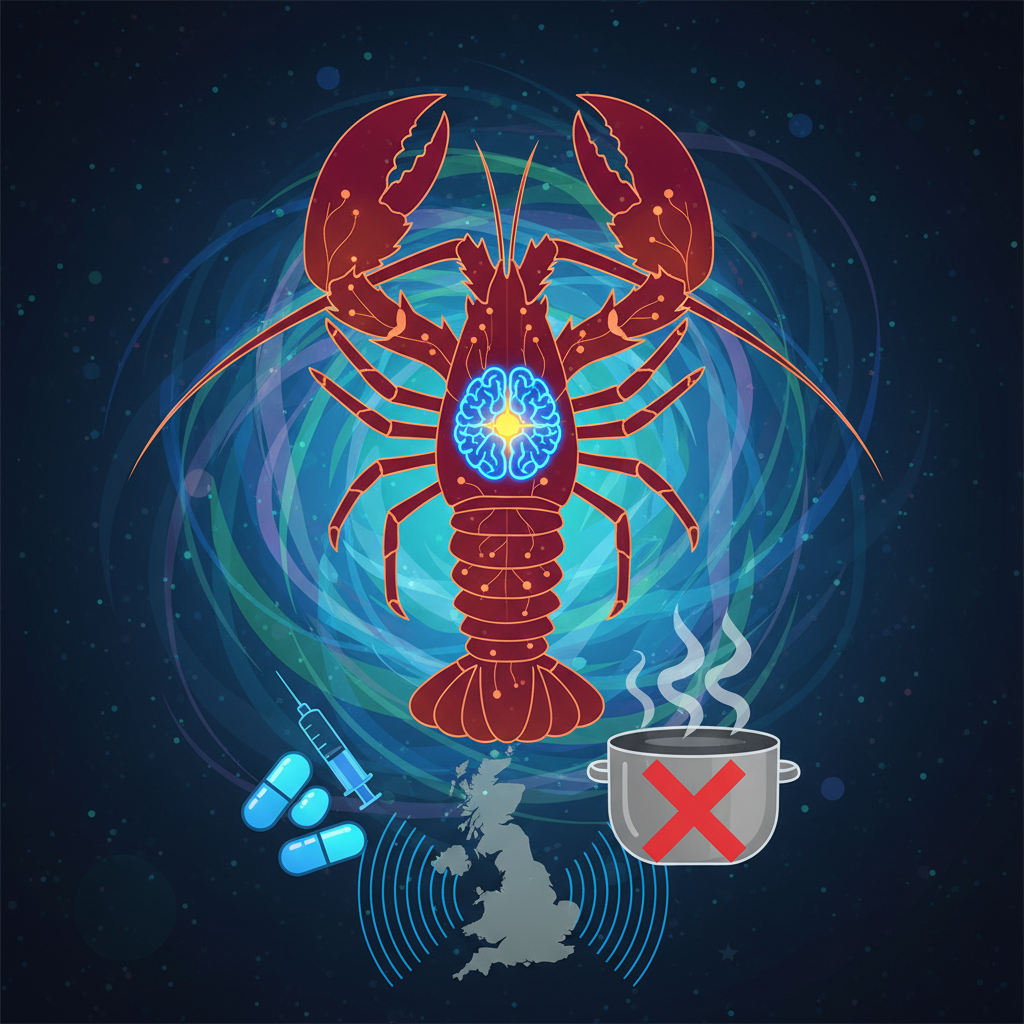
A disturbing new experiment has provided compelling evidence that lobsters genuinely experience pain, fundamentally challenging decades of assumptions that have justified cruel culinary and laboratory practices. According to reports, scientists demonstrated that painkillers like aspirin and lidocaine significantly reduce lobsters’ escape responses to electric shocks, suggesting these creatures experience nociception—the physical detection of harm.
The research goes far beyond simple reflexive reactions. Scientists measured behavioral changes, stress chemicals in lobsters’ blood, and gene activity to prove these marine animals aren’t just mechanically responding to harmful stimuli, but are genuinely suffering. This comprehensive approach represents a significant advancement in understanding animal sentience.
Perfect Timing for Policy Changes
The study’s release comes at a critical moment as the United Kingdom has officially recognized lobsters as sentient beings, joining a growing number of countries implementing bans on boiling them alive. This timing underscores the growing disconnect between emerging scientific evidence and long-standing cultural practices in food preparation.
The research directly challenges the persistent “lobsters can’t feel pain” myth that has provided moral cover for what many now consider inhumane treatment. For decades, this assumption has allowed restaurants, home cooks, and researchers to justify practices that would be considered barbaric if applied to other animals.
The Science Behind Suffering
What makes this research particularly compelling is the biological similarity it reveals between humans and lobsters when it comes to pain processing. According to reports, human painkillers effectively work on lobsters, suggesting shared neurobiological pathways for experiencing harm. This finding bridges the gap between human and crustacean nervous systems in ways previously unrecognized.
The study employed multiple measurement techniques to build a comprehensive picture of lobster pain experience. By examining behavioral responses, physiological stress indicators, and genetic activity simultaneously, researchers created a robust framework for understanding non-human animal suffering.
Ethical Implications for Food Industry
This research forces an uncomfortable reckoning with standard food industry practices. The evidence suggests that common cooking methods may inflict genuine suffering on creatures capable of experiencing pain in ways more similar to humans than previously understood.
The findings arrive as legal definitions of animal sentience are being expanded globally. Countries are increasingly recognizing that the capacity for suffering extends beyond traditional mammals to include marine invertebrates like lobsters and crabs.
Cultural Practice Meets Scientific Evidence
The study highlights a significant gap between scientific understanding and cultural practice. While evidence mounts that lobsters experience genuine pain, culinary traditions and commercial practices continue largely unchanged. This disconnect raises fundamental questions about how societies should respond when scientific evidence challenges long-held assumptions.
According to reports, the research provides multiple angles for understanding this issue—from food industry accountability and animal welfare reform to the broader scientific question of how we measure pain in non-human animals. The implications extend beyond cuisine into research laboratories where lobsters are used for scientific studies.
Looking Forward
As more countries consider legislation protecting crustaceans from inhumane treatment, this research provides scientific backing for policy changes. The evidence suggests that what many have dismissed as mere reflexive behavior actually represents genuine suffering in creatures with surprisingly sophisticated nervous systems.
The study forces a fundamental question: if lobsters can suffer in ways similar to animals we already protect, what ethical obligations do we have to change how we treat them? As scientific understanding of animal sentience expands, societies worldwide may need to reconsider practices that once seemed unquestionably acceptable.
This research represents more than an academic exercise—it challenges deeply held assumptions about which creatures deserve moral consideration and protection from unnecessary suffering.